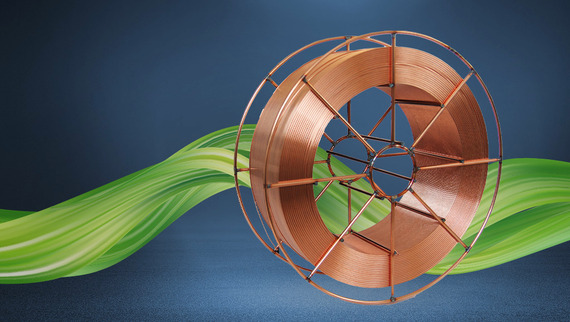
Up to 70% less manganese
Our diamondspark GUARD flux-cored and metal-cored wires help to protect your workplace by significantly reducing the amount of manganese in the welding fumes and helping to meet recently revised exposure limits.
EXPLORE
Our diamondspark GUARD flux-cored and metal-cored wires help to protect your workplace by significantly reducing the amount of manganese in the welding fumes and helping to meet recently revised exposure limits.
EXPLORE
With over 70 years of experience and the broadest product portfolio in the industry, we deliver what we promise: Surface Protection tailored to your needs.
EXPLORE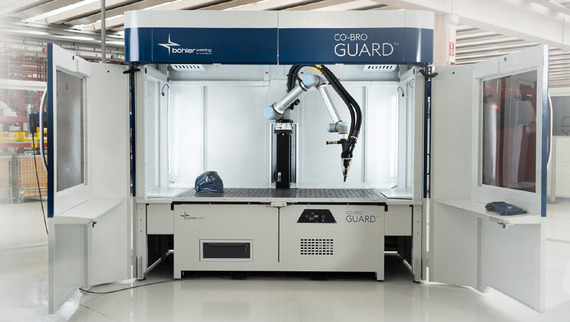
A revolutionary fully enclosed collaborative robotic cell. Flexibility, easiness of use, accessibility, best welding performance and max HSE protection set CO-BRO® GUARD apart from anything else you on the market.
EXPLORE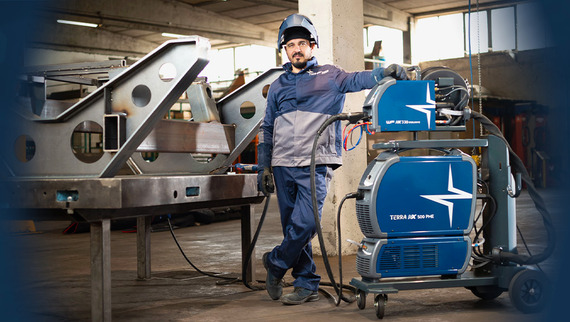
TERRA NX is built to last, thanks to its robust design and advanced manufacturing process. Its hardware modularity and software upgrading make it highly flexible and upgradable to different materials and applications.
EXPLORE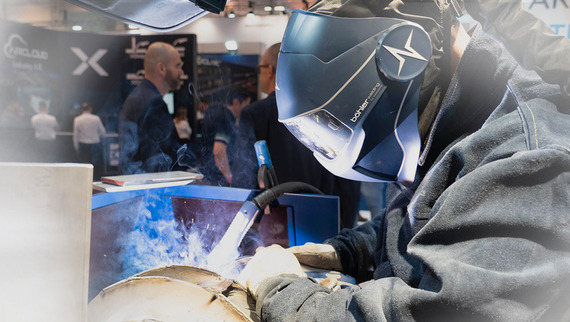
Our new PPE range of high quality welding helmets and powered air respiratory systems, including auto-darkening welding helmets with flip-up UHD ADF and ready to use PAPR systems for the best possible protection.
EXPLOREThe CO-BRO® GUARD is a revolutionary fully enclosed collaborative robotic cell.
set the CO-BRO® GUARD apart from anything else in the market. Explore all the advantages and benefits.

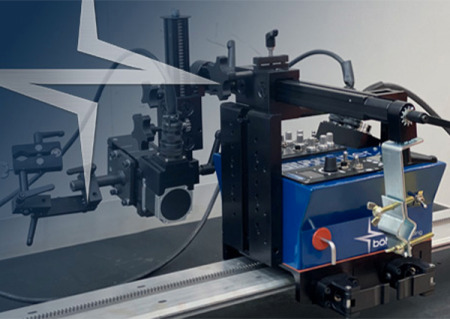
Large tank welding is often accompanied by productivity and quality constraints as the tanks are very large in size, specific materials are used and long-lasting welds with excellent quality and productivity are needed.
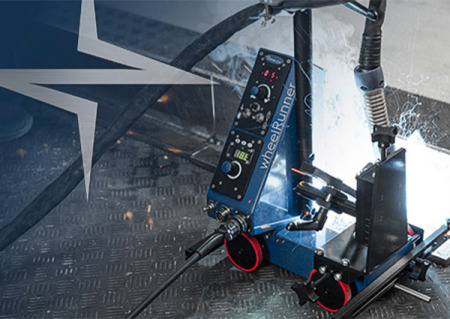
A perfect combination of our welding carriage wheelRunner with our solid and cored wires, Böhler Welding power sources and Böhler Arc synergic lines, resulting in The Perfect Weld Seam.
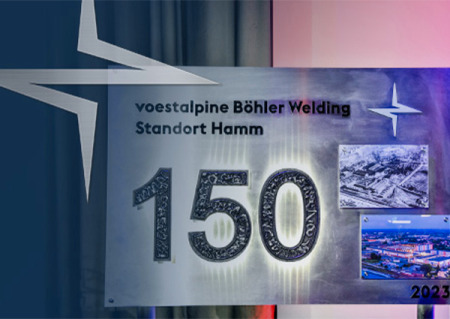
voestalpine Böhler Welding was celebrating a special anniversary at its Hamm site in 2023: the 150th anniversary of wire production.